As we look ahead to 2025, the dynamic landscape of logo design looks set for intriguing changes. Numerous designers and brands appear to be embracing the charm of a past era, reflecting this nostalgia in style and almost every aspect of what they create. In the midst of technology and modern minimalist domination, it is quite shocking to see that vintage style becomes one of this year’s logo design trends.
Why is vintage style on 2025’s list of logo design trends? Vintage design is not just an old appearance. It carries a long story, a distinctive character, and a depth of meaning that is hard to find in today’s digital trends.
This article will review 7 prominent logo design trends with a vintage feel in 2025. We will thoroughly discuss each style, encompassing its description, visual characteristics, design philosophy, and relevant brand or industry examples. If you are building a strong and meaningful visual identity, understanding the vintage-themed logo design trend can be a strategic step that should not be missed.
Table Of Content
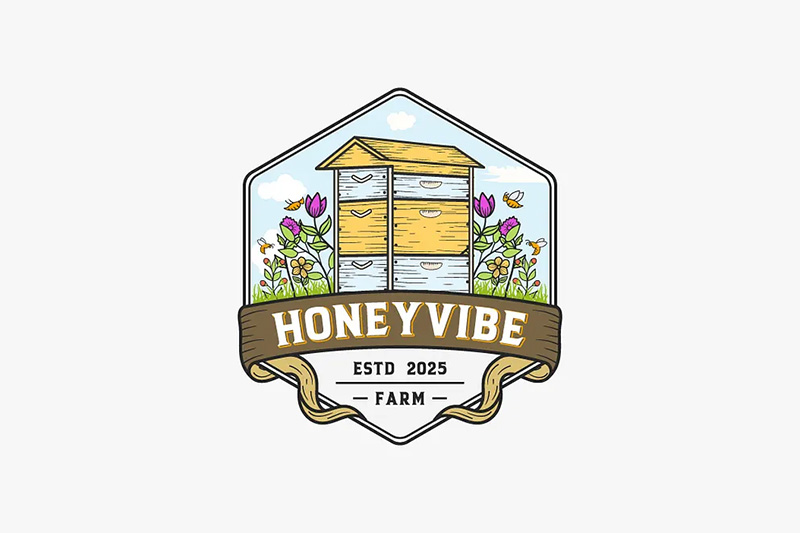
One of the most prominent vintage-themed logo design trends this year is hand-drawn vintage. As the name suggests, this logo is created directly by hand. However, technology or software can also create this style, as long as it maintains the imperfections typical of hand-drawn images. These imperfections make this style unique and inimitable.
Additionally, this style radiates a personal, warm, and authentic vibe that stands out against modern designs, making it a unique choice among all clean and minimalist logos.
The characteristics of hand-drawn logo’s visual:
This trend develops along with the increase in demand for local products, handicrafts, and microbusinesses. Among all logo design trends, this one is perfectly suitable for branding like nature- and vintage-themed coffee shops, antique stores, and more.
Here’s a quick tip for utilizing this logo design: ensure you strike the perfect balance between the details and readability. No matter the design approach, the logo should remain versatile across different sizes and media. Designers often use natural colors like brown, olive green, and beige to enhance the vintage and homemade feel.
Retro typography once again steals attention this year. This style first emerged in the 1960s and maintained relevance until the 1990s. It reminds us of the industrial revolution era with its bold, curvy, and decorative letterings. Who knows if this style will be one of the logo design trends in 2025?
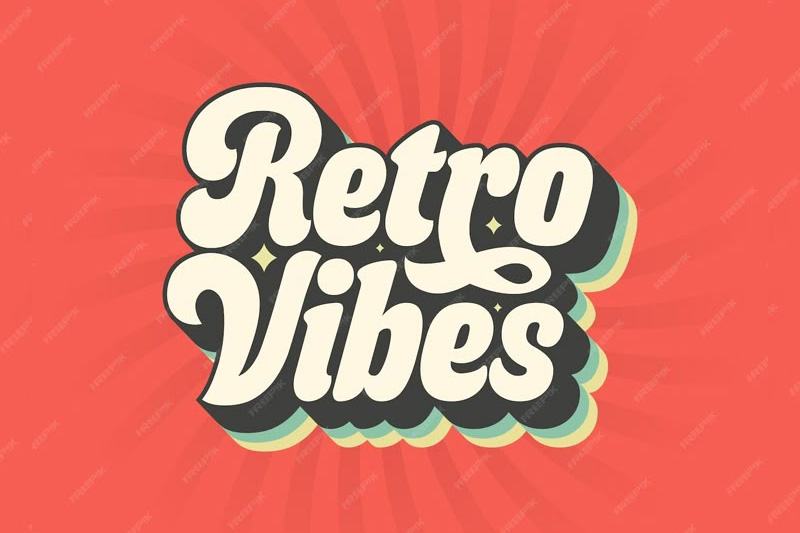
Retro typography usually comes in two visual approaches:
Characteristics of retro typography:
The advantages of using this style, among other logo design trends, include making the brand appear bold, characterful, and quickly recognizable. Many businesses in the food industry, vintage fashion, barbershops, and even analog music stores choose this style to reflect the expressive spirit of the past.
However, to avoid an outdated appearance, balance it with modern layouts and lively colors. As a result, designers should opt for an easily legible retro-style letter type that can be used in both digital and print media, such as vintagefont’s Medyan Script.
By combining a touch of nostalgia and visual uniqueness, retro typography is able to prove that classic typography remains relevant in today’s logo design trends.
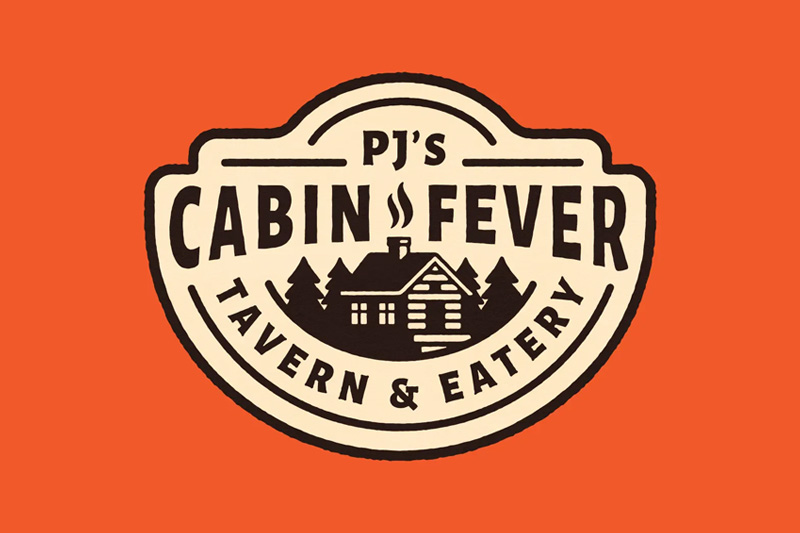
In 2025, it’s no surprise that emblem-style logos continue to capture attention among the latest logo design trends. The design of this logo incorporates the appearance of badges, stamps, or symbols, all elegantly contained within a single frame. This approach has been embraced for years by numerous institutions, including universities, schools, and government organizations. As time progresses, many modern brands aiming for a classic and elegant aesthetic have begun to use this style of logo.
One of the advantages of emblem-style logos includes offering an authoritative, elegant, and neat impression. In vintage design, this style is often combined with classic ornamental elements such as circular ribbons, decorative borders, heraldic symbols, and illustrations of flora and fauna arranged in a way that appears symmetrical.
This logo usually utilizes traditional serif typography or bold uppercase letters that exude seriousness and luxury. If you want to give this logo design a try, you can consider using our vintage font collections.
The emblem style trend is the perfect choice for brands seeking to convey a sense of history, heritage, and trustworthiness. Thus, many iconic coffee shops, timeless clothing brands, and innovative communities embrace this style as the cornerstone of their brand identity.
The advantages of emblem-style logos:
Reminder: it is essential to maintain balance between details and simplicity to effectively utilize this logo design trend. Therefore, avoid using overly complicated elements that can reduce readability. Try using classic colors like navy, dark red, gold, or black instead to accentuate authenticity and vintage.
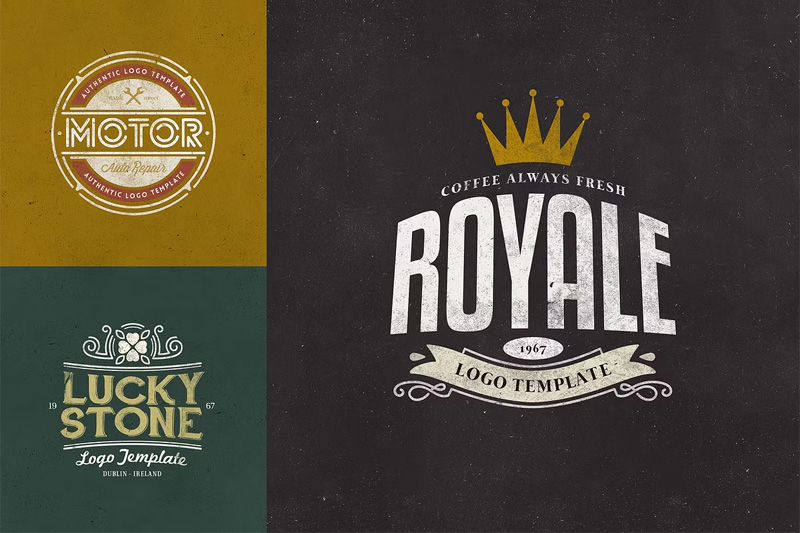
In the era of smooth and clean digital design, the rustic texture and grain effect appear as one of the most popular logo design trends in 2025. As the name suggests, this style gives a rough and messy impression by using rustic textures and grain effects. Logos with this approach convey a sense of being worn, aged, and as if they were made by hand or with a manual printing press.
The characteristics of rustic texture & grain:
The effects mentioned above work together to create a visual impression that feels both natural and delightfully imperfect; this charming imperfection adds a distinctive character to the overall aesthetic.
The brand image features a rustic texture with a palette of earth tones, including dark brown, warm grey, olive green, and beige. The texture can take on a smooth overlay, a grunge effect, or even a scan of physical materials such as linen or leather.
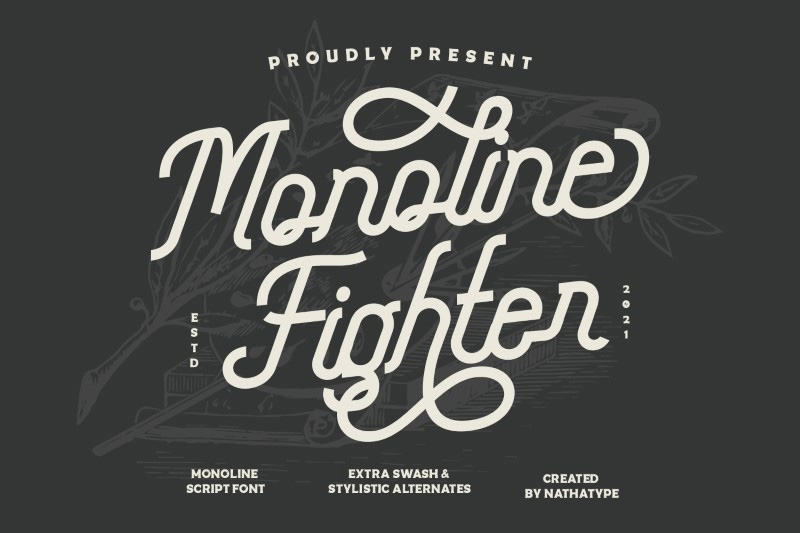
2025 appears to be a year of increasing popularity for simple, classic logo design trends. Monoline vintage logos concentrate on the minimalist aesthetic of constant lines that shape images, symbols, or typography with minimal thickness variation. Despite its simplicity, the monoline design can effectively convey a strong, clean, and attractive image.
Monoline logos can be in the shape of retro objects like analog cameras, old bicycles, or barber tools and later combined with industrial-style sans serif letters or elegant yet minimalist serif ones. You can use our collections of sans-serif fonts to create the desired monoline style.
In addition, monoline vintage is ideal for businesses that wish to appear classic and minimalist. This design provides a professional image and is simple to apply across various media, including:
Monochrome is the most commonly used color in the monoline style, although other colors such as gold or natural palettes like brown and olive green can also be applied to this style. This trend in logo design is highly adaptable, frequently manifesting as stamps, patches, or watermarks.
The main challenge in creating a monoline logo is to maintain the clarity of the shape using simple lines. This is because there is no shading, 3D effects, or complex coloring. Therefore, every line must be carefully considered to remain communicative and aesthetic.

Among the vintage-themed logo design trends, minimalist vintage logos stand out as a unique fusion of two distinct styles. This logo perfectly blends modern simplicity with retro charm, making it the ideal choice for companies seeking a classic, clean, and polished look.
The distinguishing characteristics of minimalist vintage logos:
Minimalist vintage logos and monoline logos are sometimes regarded as the same style because they have a similar appearance. However, the main distinction between these two styles is that minimalist vintage emphasizes simplicity and space. Monoline vintage, on the other hand, emphasizes the illustration style with constant lines. Furthermore, minimalist design tends to look more vintage with a clean and elegant appearance, whereas monoline looks retro with the inclusion of ornamental features.
The key power of this style, as previously said, is the use of white space. Minimalist vintage logos, unlike other vintage styles, do not include any additional decorative embellishments. They strike a balance between shape, white space, and message clarity to achieve a clean design.
Minimalist vintage logos are perfectly suitable for companies like skincare products, creative studios, stationeries, artisanal cafes, or fashion with earth tone themes. This style gives the impression that the brand provides warmth from the past while still appearing professional and contemporary.
Lastly, minimalist vintage logos are very flexible across various media, from product packaging and small labels to digital applications. Because this style doesn’t have too many details, the design remains sharp and readable at various sizes.
And the last one on this list of logo design trends is the return of retro mascot logos. This trend appeared from the 1930s until the 1960s. It emerged in the era when brands, at that time, chose to showcase a character or anthropomorphic animal that looked friendly, expressive, and memorable.
Typically, a logo depicts the mascot in a classic cartoon style, featuring thick lines, a cheerful face, and intriguing postures. For instance, we can see the use of mascots in the old designs of global brands like Mr. Peanut and KFC. Their mascots somehow became not only their visual identity but also represented the overall brand personality.
From a design perspective, vintage mascots use a limited color palette and clean outlines. The illustration of the mascot is not made very realistically, but it is simple yet characterful. Occasionally, the mascot incorporates attractive typography from the old era or a badge shape to enhance its visual appeal. If you’re interested, you can check out our collection of vintage fonts.
A major advantage of this trend is its ability to create a personal connection between the brand and customers, making the logo feel alive and familiar with the brand.
In conclusion, in the ever-changing landscape of branding, the vintage logo design trends show that the power of classic design remains timeless. This trend extends from hand-drawn styles and rustic textures to the incorporation of retro mascots. Every element included in this year’s list of logo design trends demonstrates how the past continues to significantly influence the visual identity of brands today.
For designers and business owners, understanding logo design trends is not just about going with the flow but about choosing a style that can fully reflect the brand’s values and character.

