
In the graphic design world, retro poster design is a visual artwork that uses colors, typography, and old aesthetic elements to recall bygone emotions. This style portrays the visual trend of the 1950s and 1980s by combining vintage elements with the warmth of those decades’ visual characteristics, resulting in a nostalgic and distinct vibe. Retro posters use traditional styles to maintain their relevance and appeal today.
Retro styles are popular among designers because they can evoke an authentic nostalgic sense. The uniqueness of this style lies in its ability to evoke strong memories from the past, so the retro poster design often reminds someone of specific memories or atmospheres. In addition, recurring trends in popular culture also encourage designers to readapt the retro style.
The application of retro style in poster design also becomes an effective visual communication strategy. The classic touch it brings can strengthen brand identity, build emotional closeness with the audience, and create visual differentiation amidst the prevalence of modern designs that tend to be uniform. This article presents a variety of retro poster design inspirations as references for creating visual works that are classic, warm, and still relevant.
Table Of Content
Every decade showcases a unique visual identity shaped by its cultural setting. The retro style in poster design traces its roots back to the evolution of graphic arts during the mid-20th century, particularly developing from the 1950s to the 1980s. During that time, societal changes, breakthroughs in technology, and trends of popular culture shaped the design aesthetic, transforming it into a vibrant reflection of the era’s spirit, brimming with energy and expression.
In the 1950s, retro poster design featured pastel colors, script typography, and realistic illustrations that reflected the optimism of post-war society. The 1960s were influenced by pop art and psychedelia, which introduced contrasting colors, dynamic patterns, and bold compositions as symbols of freedom of expression. Entering the 1970s, design styles became more experimental with the use of bold typography, color gradients, and strong analog print textures. Meanwhile, the 1980s brought the influence of early digital technology through the use of neon colors, chrome effects, and geometric elements with a futuristic touch.
As the modernism movement took center stage in the design world during the late 20th century, retro elements were replaced by the minimalist approach that prioritized simplicity and functionality. As time progresses, contemporary designers are reimagining retro elements in their creations, giving rise to an exciting new trend: the return of retro style. This blend of classic style and advanced technology offers a refreshing appearance while preserving the nostalgic atmosphere, all wrapped in a modern visual appeal.
Digital technology reinterprets retro style with a cleaner, high-precision approach that aligns with current trends. This integration not only preserves the aesthetic appeal of the past but also reintroduces emotional value and warm visual character amidst the dominance of modern design, which often feels impersonal.
A retro poster’s unique appeal stems from its attractive look, which includes visual detail that conveys a sense of nostalgia. Each part of the design, from color to font and textures, plays a crucial role in creating the nostalgic ambiance. The following are some of the main characteristics that contribute to the retro-style design identity.
The color palette used in a retro poster design represents the unique visual character of each era. Smooth pastel, earth tone, and faded colors were popular in the 1950s and 1970s, conveying a sense of warmth, smoothness, and nostalgia. Meanwhile, in the 1980s, bright and contrasting neon colors were commonly utilized to express the futuristic energy that designers wanted to explore.
Typography plays an important role in shaping the visual identity of a retro poster design. Its characteristics are evident in the use of fonts with geometric shapes, decorative elements, and striking thick-thin contrasts. In the 1950s and 1960s, many posters featured script fonts in a handwritten style that created a friendly and personal atmosphere. Meanwhile, the 1970s introduced psychedelic or bubble lettering styles that were expressive, dynamic, and reflected the spirit of freedom of expression at the time.
One of the main characteristics of a retro poster design is in the use of textures that imitate the result of traditional printing. Additionally, utilizing effects like grain, halftone, noise, and old paper textures gives an authentic and personalized appearance. The use of those elements strengthens the vintage visual vibe and exudes historical atmosphere in every design.
In terms of layout, a retro poster design features variants that reflect the growth of visual styles across time. In the early days of retro style, designs tended to emphasize a symmetrical and tidy visual appearance through the use of simple grids. In contrast, the psychedelic era features dense, bright, and irregular compositions. Other vintage designs, such as advertising and promotional posters, emphasize simplicity by using negative space to underline the main statement.
A retro poster design often shows illustrations and decorative elements with visually appealing characteristics. The illustration styles can be in the form of human figures, cartoon characters, or realistic pictures representing the social life of a certain era. Additionally, ornaments like patterned borders, curvy lines, and geometrical motifs can create a unique blend of classic and modern looks. The combination creates a visually appealing impression that also feels nostalgic at the same time. Besides that, certain icons, including classic cars, radios, rockets, pin-ups, and neon signs, also strengthen the authentic and nostalgic vibe.
Retro poster designs are like a time window that enables us to explore the visuals from various eras, from the gracefulness of the past to the lively colors of the present. Each style has unique characteristics that reflect the spirit, culture, and aesthetic preferences of the time. The following are some examples of retro poster styles that modern designers frequently use for inspiration.
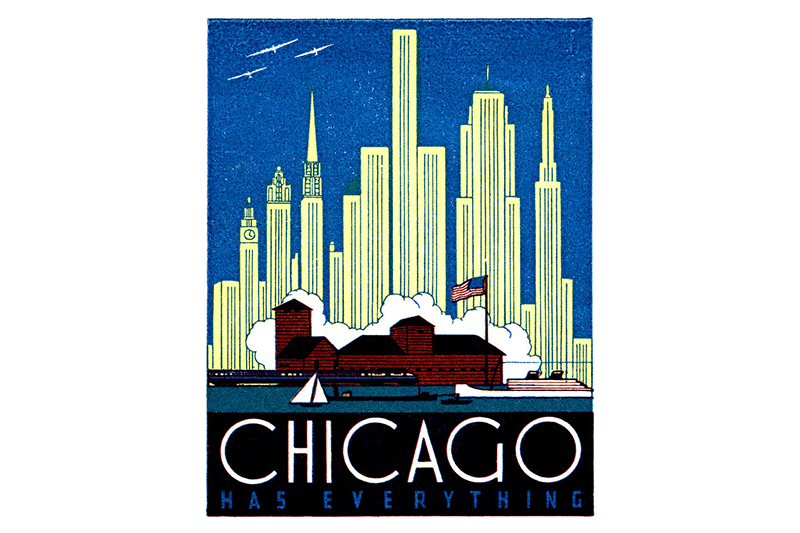
Art Deco design is a beautiful and orderly style with a distinct feature of geometric graphics and the use of solid colors, resulting in a rich and modern impression. This sort of poster often includes silhouettes of towns or landmarks, as well as modes of transportation such as ships or planes, to represent cosmopolitan lives. One example is a popular antique poster from the 1930s promoting the municipality of Chicago. This poster served as tourism promotion material for the town of Chicago, with the motto “Chicago Has Everything.” This message stressed Chicago’s modernity, completeness, and fascination as a tourist destination.
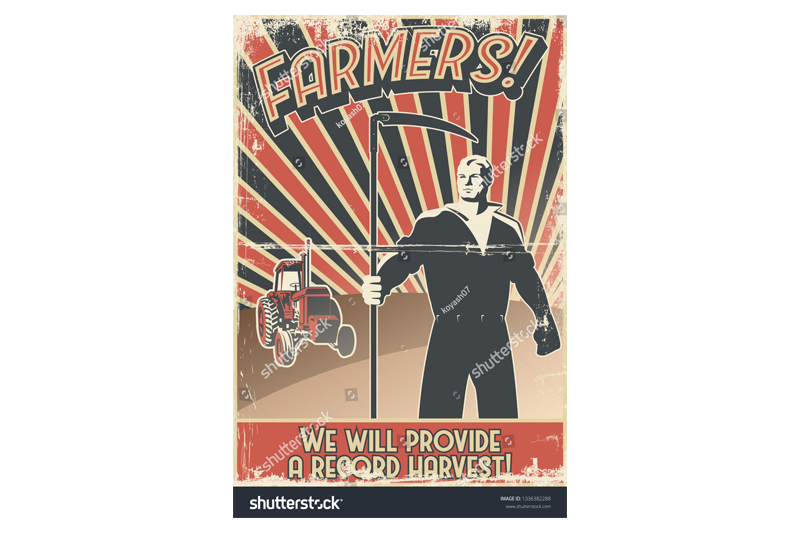
The design of propaganda posters in the 1940s and 1950s featured a bold visual style and a spirit of nationalism. Its characteristics are evident through the use of strong colors such as red, black, and blue, which serve to attract attention while also evoking emotions. This type of poster often features human figures with dramatic expressions, heroic poses, and large, bold typography to reinforce the message being conveyed. The main inspiration comes from World War II posters in the Soviet and American styles, which were used as visual communication media to unite the people, foster a fighting spirit, and shape public opinion.
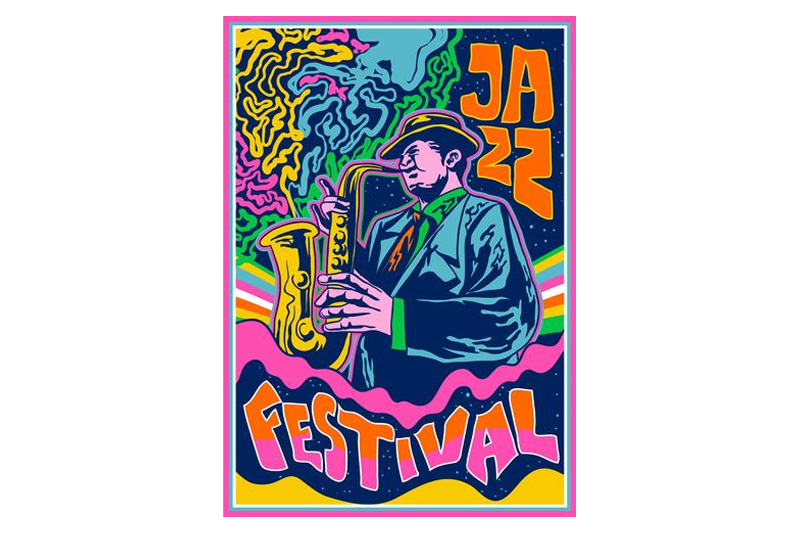
The style of the psychedelic concert poster reflects the visual revolution born from the combination of art, music, and experimental culture in the late 1960s. The curvy typography with organic shapes becomes the main element that is harmoniously combined with intense neon colors, swirl patterns, and abstract shapes that evoke perception. The design does not only represent the spirit of freedom and individual expression but also symbolizes the rebellion against conventional visual rules. The poster above is an example. The poster was meant to promote a “Jazz Festival” with a visual style that reflected the freedom to express oneself, feel the music’s energy, and experiment with new things in that era.
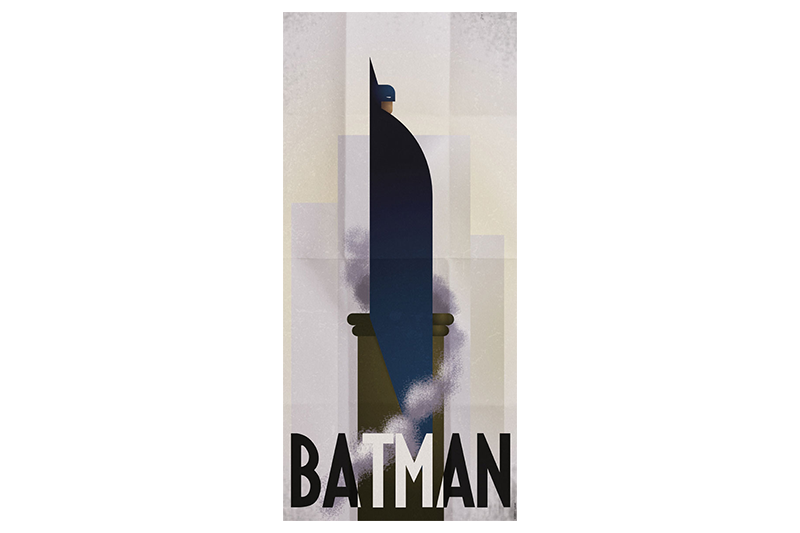
Pop culture retro posters combine pop culture icons such as superheroes, movie characters, and classic cartoons with a retro aesthetic touch. This style utilizes solid color palettes, grain textures, and vintage-style typography to evoke a nostalgic atmosphere that still feels modern. An iconic example is Gregoire Guillemin’s work titled “Superhero Retro Posters,” which features retro-style superheroes with a distinctly geeky art vibe.
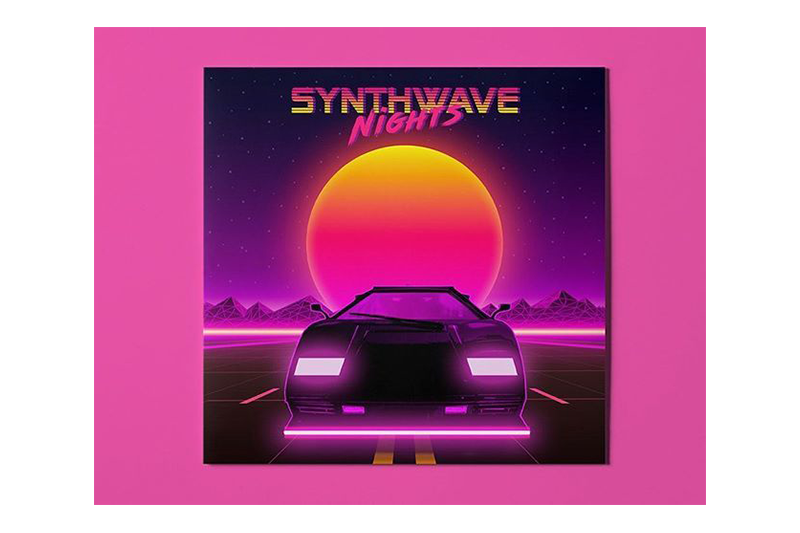
80s neon or synthwave posters represent the visual style of the 1980s. The posters primarily used vivid neon or retro-futuristic colors. Its notable features included the use of striking color gradation, such as purple, electric blue, and magenta, which were then combined with horizon grid elements and arcade-style fonts. This style was inspired by cyberpunk imagery in sci-fi films as well as synthwave cassette covers featuring neon sunsets. This style of poster’s design transforms it into an aesthetic symbol that has been iconic even now.
Minimal Retro Typography Poster
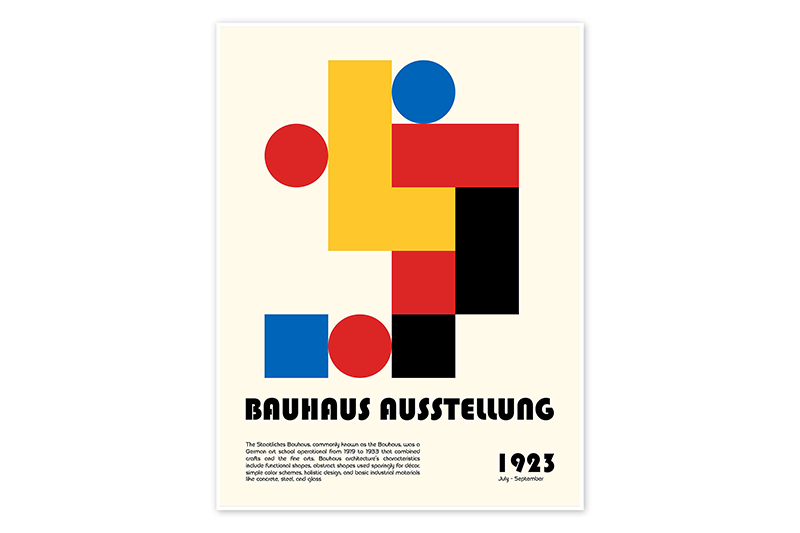
One of the most captivating forms of retro aesthetics is represented by minimal retro typography posters, which feature typography as the main element in the design. This style emphasizes layout simplicity through the use of simple geometric shapes, bold block colors, and vintage-style letters that serve as the visual focal point. Inspired by a new interpretation of Bauhaus poster design, this approach strikes a balance between form, space, and color. The end result is a sleek and modern look that retains the classic touch associated with retro style.
The final recommendation on this retro poster design inspiration list is vintage product advertising posters, which highlight the traditional charm of the golden age of advertising in the twentieth century. This style stands out through realistic and cartoon illustrations that promote products such as coffee, snacks, and cars. The illustrations are usually combined with bold typography and persuasive slogans to attract consumers. Warm colors and the distinctive texture of old prints evoke a sense of nostalgia, as seen in classic cereal posters that combine cheerful illustrations, simple messages, and harmoniously arranged compositions.
Retro poster design is not only a reflection of the past but also an eternal source of inspiration that continues to influence contemporary visual trends. Its excellence lies in its ability to blend elements of classic nostalgia with a modern touch. Every element, from color to typography to texture, brings an emotional appeal that is difficult to match.
Make the retro spirit a source of inspiration in your work, explore every style and blend it with your identity, and create designs that are not only visually captivating but also have meaning and a living story.

