Vintage badge logos are among the most iconic in the field of classic design. This style is distinguished by its contained structure, which includes all visual elements in a single composition, from brand names and icons to taglines. Because of its organized characteristics, the badge has become an essential foundation in vintage logo development since the early days of traditional branding.
The use of a badge serves as both an aesthetic feature and a powerful visual communication tool. Its shape enhances readability, clarifies the information hierarchy, and preserves the brand identity across multiple media. These characteristics are why badges are often used in coffee shops, breweries, and fashion branding.
This article is a deeper exploration of the previous article, “6 Foundational Vintage Logo Styles You Need to Know.” Specifically, we will discuss vintage badge logos, including their structure, visual aspects, and effective usage in logo design.
Table Of Content
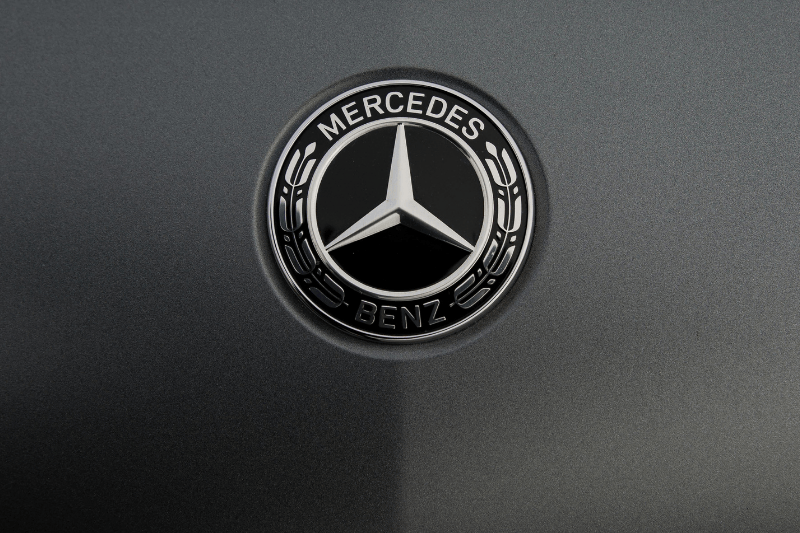
This logo style uses an enclosed shape as the main vessel for its visual elements. The shapes in vintage badge logos can be circles, shields, ovals, diamonds, or a combination of simple geometric shapes that frame the brand name, icon, and supporting text into a clear visual unity.
The distinctive characteristic of a badge logo is in its solid and organized structure. Unlike wordmarks or symbols, badge logos purposefully “cage” the design elements, making them look more stable, neat, and easily recognizable. This approach was often used in the era of classic branding for its effectiveness in maintaining readability, especially in print media and signage.
Because of its role as a visual vessel, a vintage badge logo is often considered the foundation for designing a vintage logo. Furthermore, this style emphasizes identification clarity while also conveying a traditional, strong, and distinctive impression.
The badge structure in vintage logos is generally created using some basic shapes as the main visual vessels. Each shape has distinct characteristics, impressions, and contexts for use, making it necessary to select them based on the brand identity.
A circle structure is the most common badge shape used. This type of shape gives off a sense of balance, friendliness, and visual stability. Because of their symmetric and flexible traits, circle badges are a popular use for coffee shops, bakeries, breweries, and classic lifestyle brands. Additionally, this shape is incredibly adaptable in various media, making it ideal for small packaging or signage.
Armor-shaped badges bring a strong, protective, and heritage-ish impression. Unlike a circle, an armor shape feels more formal and masculine, ideal for brands that wish to show tough and charming character. The armor structure is often associated with history, tradition, and toughness. Hence, many classic apparel brands, barbershops, outdoor gear brands, and more use this type of logo for their brands.
Oval-shaped logos offer a softer feel compared to circles while still maintaining the typical closed structure of a badge. This shape provides a balance between a neat appearance and a smoother visual impression. Oval-shaped badges are often used on traditional food brands, vintage packaged products, or brand labels that want to convey a classic and retro feel without appearing too rigid.
Diamond-shaped structures have a more dynamic visual aspect due to their diagonal orientation. This shape helps the logo appear alive while still being visually appealing, making it ideal for apparel brands or vintage-style merchandise that want to stand out. Furthermore, the diamond shape is ideal for retaining a classic appearance with an informal touch.
Square shapes with rounded corners are typically chosen for more functional needs. This structure provides more space for text and visual elements, while the rounded corners maintain a vintage feel to keep it friendly and not too rigid. With these advantages, this form is often used in packaging, product labels, and signage.
Each badge structure has a particular visual purpose, and selecting the right one is essential before continuing to any other features like typography, icons, or additional ornamentation.
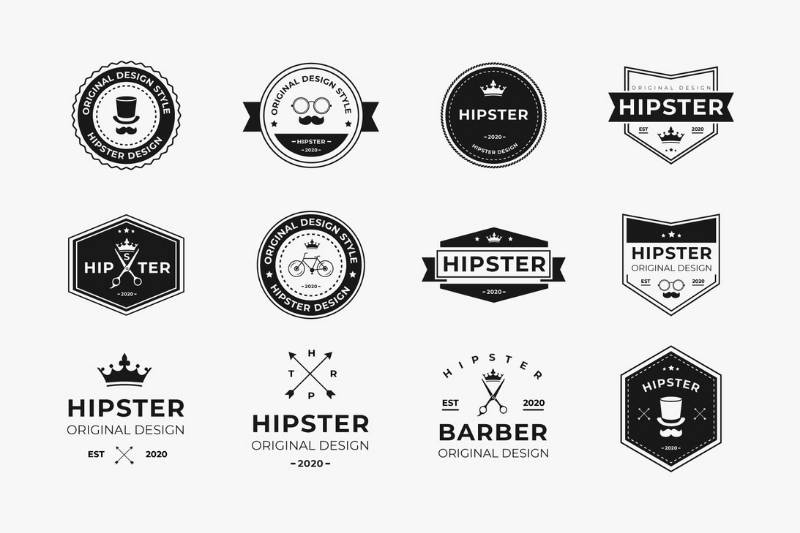
Aside from the shape structures, the power of vintage badge logos relies on the visual elements that are inside the badge. The following elements work together to build identity, hierarchy, and overall visual logo character.
Typography is the most dominant aspect in a badge logo that identifies the brand. To make it easier to read, the brand’s name is typically placed in the center or most prominent section of a badge. To maintain readability, typography in vintage badge logos is frequently bold and distinctive, with significant contrast. The appropriate typography can enhance the classic impression while maintaining readability, even when surrounded by other elements.
In a badge, the icon serves as a tool for strengthening the brand’s identity. Typically, icons are simple shapes such as plants, animals, or distinct and meaningful symbol illustrations. Icons in vintage badge logos are rarely created with excessive detail because it reduces readability. Icons serve as a visual accent to the overall typography, not as the focal point of a logo composition.
Line and border are used to share room within a badge as well as to help arrange the visual hierarchy. These elements function as a divider between the brand’s name, icons, and secondary texts. In a vintage badge design, simple yet consistent lines are used to avoid adding to the visual crowd. Dividers, on the other hand, help a badge logo look more structured and neat.
Secondary texts, such as taglines, years of establishment, or locales, are frequently used to enhance the brand’s storytelling. This element is typically put around the upper or lower portion, following the curving badge structure. It is purposely designed to be smaller in size so that it does not conflict with the brand’s name while remaining readable as supporting information.
Although a badge logo is made up of many elements, composition and hierarchy are important in making it easy to read. Because the badge is enclosed, each element must be presented in a clear visual order so that the audience can understand the important information without difficulty.
In practice, the brand name in vintage badge logos is placed as the main focus. The brand name is usually in the center or in the area with the highest contrast. Meanwhile, the secondary icon and text function as supporting elements, reducing their size and aligning their position with the badge structure. This visual hierarchy is what makes the logo badge still feel neat despite having additional details.
Badge logos also tend to use symmetrical compositions to create a sense of stability and classicism. Symmetry helps the eye read a logo in a balanced way from left to right or from top to bottom. A common mistake at this stage is including too many elements with equal visual weight, making the hierarchy unclear. An effective badge always has one main focus, while other elements serve as complements.
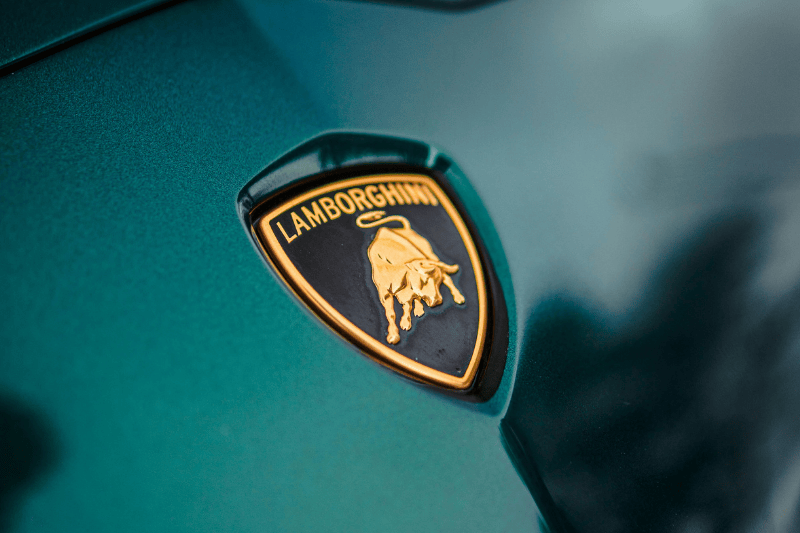
The color palette in vintage badge logos is commonly limited and controlled. This approach aims to preserve readability as well as strengthen classic and stable impressions. Colors like black, cream, brown, navy, and dark green are often the main choices, as they evoke a vintage impression without looking too standout.
Badge logos rarely have bright colors with high contrast. Instead, they are a combination of dark and neutral colors, which produce a polished and timeless look. A contrast in style can be created by opposing dark and bright tones, rather than by varying colors. This method allows a logo to appear clear even when printed on a limited medium, such as packaging or small labels.
Because of their strong structure, badges also often work very well in single-color versions. Many vintage badge logos are designed to remain effective in black and white, making them flexible for use in various applications without losing their visual character.
The right vintage badge logos will make one brand’s visual identity feel structured and recognizable. By encircling all design elements in one single shape, the badge will preserve the consistency of the logo’s display in various media and sizes.
Badge styles are often applied to brands that have a lot of visual information in their logos, such as the brand name, icon, and supporting text. Coffee shops, bakeries, breweries, brand apparel, and packaged products often choose badges because this format can accommodate these elements without appearing fragmented. Badges also work well on physical applications such as product labels, signage, stickers, and merchandise.
On the other hand, vintage badge logos are less ideal for brands that prioritize a very minimalist look. The badge structure, which tends to be dense, can feel too complex if applied to a simple digital interface. Therefore, the choice of badge style should always be tailored to the brand’s character and the context of its use.
Vintage badge logos show that a clear structure can create a strong and recognizable visual identity. With an enclosed shape, organized composition, and clear hierarchy of the elements, badge logos will be consistent in various media. This is why a badge logo style becomes one of the most essential foundations in designing vintage logos.
The badge shape selection, the placement of visual elements, and the controlled use of color are not just about the aesthetic. In fact, it is a strategic approach to make sure the logo stays relevant and timeless. A good badge will deliver information without sacrificing readability.

