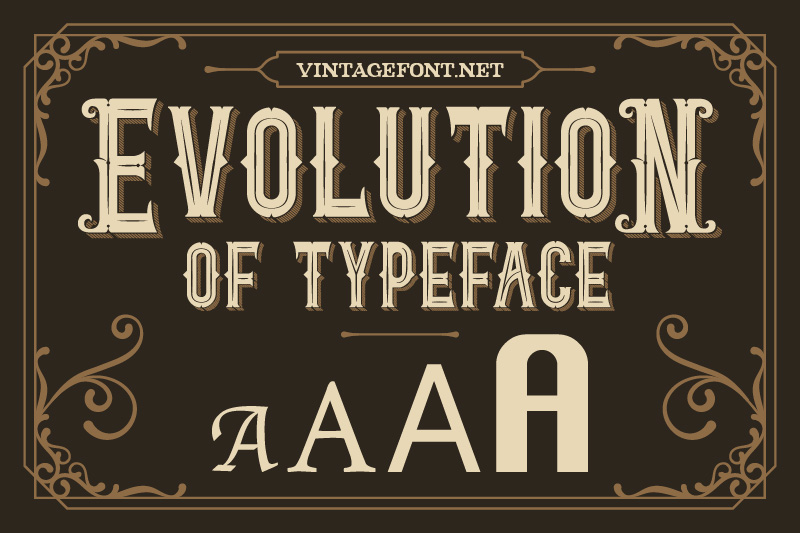
The Evolution of Typefaces: A Chronicle of Letterform Design —Typography, as you know, is the art and technique of arranging types to make written language legible, readable, and appealing. It is an essential component of visual communication. Central to typography is typefaces, a family of related type designs that share consistent visual characteristics.
This article reviews the evolution of typefaces, from movable type innovations to the advanced digital fonts currently used in screens and printed materials. Examining key milestones and stylistic shifts enhances our understanding of the significant impact of typefaces on knowledge and the visual landscape.
Table Of Content
Humans have always had the instinct to visually communicate, even since the prehistoric era. Cave paintings and petroglyphs provide evidence of ancient civilizations depicting daily life, animals, or abstract elements. These visual expressions, albeit not depicting typography in the strict sense, showed the need that humans had to visually record information, which later laid the foundation of letterform creation.

Native American Petroglyphs
As the era developed, more structured systems of visual communication began to emerge as well. There were hieroglyphics in ancient Egypt, cuneiform in Mesopotamia, and more that represented significant advancements in making languages into visual symbols. These things established the principle of representing spoken language with visual signs, a concept that would be refined and revolutionized by the invention of movable type.
The art of calligraphy and hand-copied manuscripts, however, were the ones that significantly shaped the development of typefaces. Monks and scribes created beautiful manuscripts, showcasing the artistic potential of written words and playing crucial roles in knowledge preservation. The calligraphy styles influenced early typeface design, demonstrating the connection between hand-drawn and printed letters.
However, due to its slow and difficult process, there was a need for something more efficient. And that was how history paved the way for the invention of movable type.
While many people think that the invention of movable type started with Johannes Gutenberg, the concept actually originated in China centuries earlier. A person named Bi Sheng created clay movable types during the Song Dynasty, which was a clever idea but a difficult thing to do. That was why Johannes Gutenberg’s work in Germany around the 1400s was the thing that changed the printing world. His printing press and metal movable type made it possible to print books quickly and in large numbers. His invention was a huge development that allowed people to share information quickly.

Gutenberg printing press
Gutenberg’s process was meticulous. First, as a goldsmith, he cut letters into metal parts, used them to make molds, and then cast metal types. His letters were based on blackletter, the common writing style at the time, also known as Gothic script.
Gutenberg’s printing style, known for its use in ornate medieval manuscripts, was exemplified by the Gutenberg Bible, which showcased high-quality and consistent printing and contributed to increased literacy and the spread of printing across Europe. This shift in reading habits sparked a renewed interest in Roman texts during the Renaissance, leading to the creation of more legible humanist typefaces by figures like Nicolas Jenson, marking the transition to the serif typefaces commonly used today.

Roman letters
Soon after the initial wave of Roman types, a clever innovation emerged: the italic style. Designed to mimic the flowing hand of Renaissance scribes, italic letters were slanted, allowing for more words to be packed onto a single page. This was a significant advantage for printing smaller, more portable books. Simultaneously, the quest for improved readability led to the refinement of Old Style typefaces. These designs built upon the foundation of early Roman letters, smoothing out irregularities and creating a more harmonious and comfortable reading experience. Think of it as a subtle evolution, making the letters friendlier to the eye.
As printing technology advanced, so did the sophistication of typeface design. Transitional typefaces marked a shift, acting as a bridge between the classic Old Style forms and the more geometric Modern styles. These types, like Baskerville, featured sharper serifs and greater contrast between thick and thin strokes, reflecting a growing emphasis on precision. Following this, modern serif styles, also known as Didone, took the stage. Characterized by their extremely thin, unbracketed serifs and dramatic contrast, these typefaces exuded elegance and refinement, becoming popular in high-end printing and advertising. They represented a move towards a more rational and engineered aesthetic.
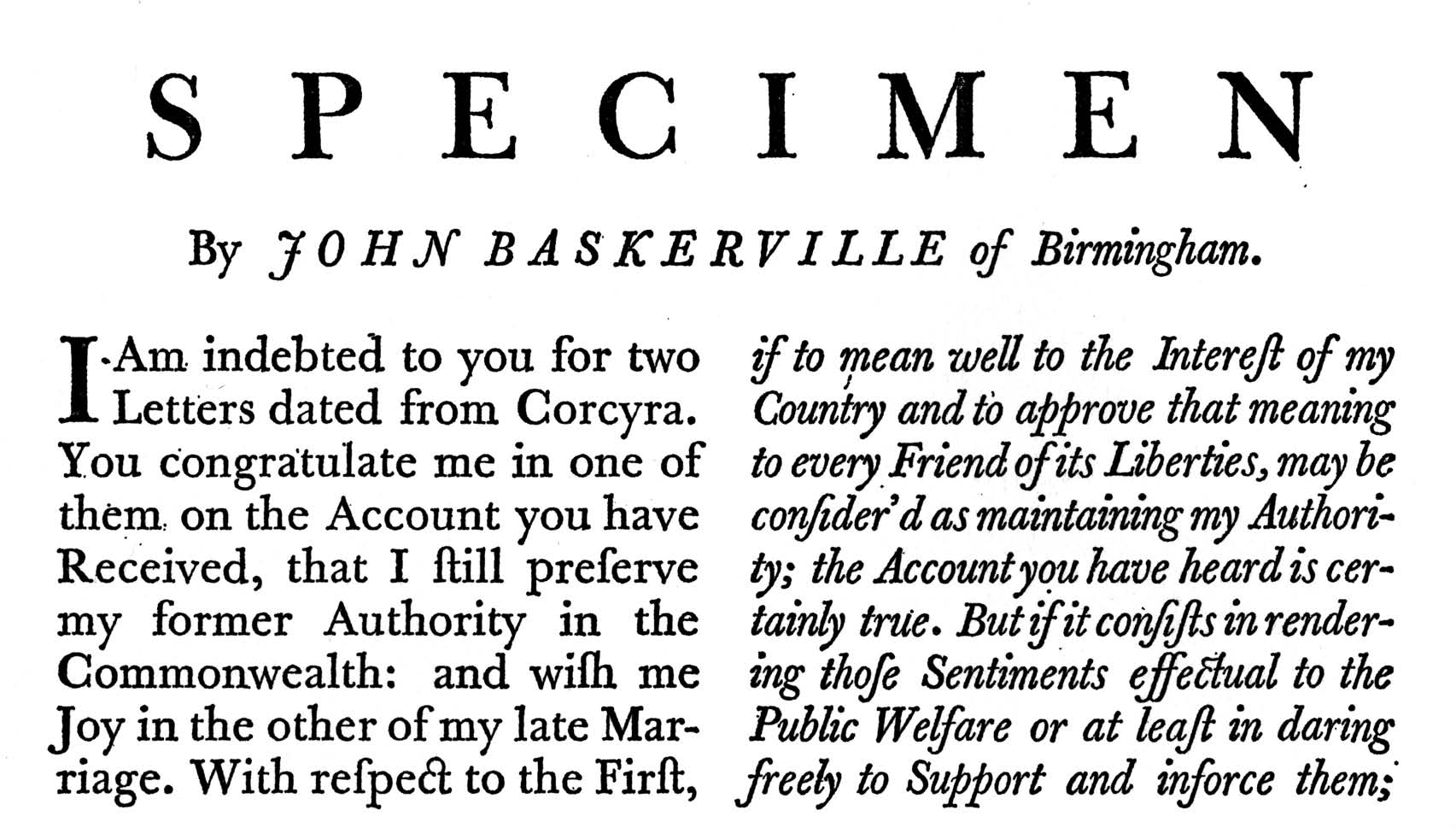
John Baskerville typeface
The Industrial Revolution brought about a surge in advertising and commercial printing, demanding bold and attention-grabbing typefaces. This led to the rise of slab serif types, with their thick, block-like serifs. These typefaces, often used for posters and signage, conveyed a sense of strength and solidity. Simultaneously, a radical departure from traditional serifs occurred with the emergence of sans-serif styles. Initially met with skepticism, these typefaces, lacking serifs altogether, offered a clean, modern aesthetic. They were considered functional and efficient, reflecting the spirit of the industrial age and laying the groundwork for the future of typographic design.
The advent of digital typography revolutionized the entire field. Computers have revolutionized the design process. They enable designers to have control over letterforms, enabling the creation of an infinite variety of fonts. Software tools made it possible to manipulate and customize types in ways that were previously unimaginable. This democratized typeface design makes it accessible to a wider range of creators.
As the internet gained prominence, the need for consistent and visually appealing typography on websites became crucial. This led to the development of web font formats, such as WOFF (Web Open Font Format). WOFF allowed web designers to embed custom fonts directly into their websites, ensuring that the intended design was preserved across different browsers and devices. This advancement significantly enhanced the visual richness and user experience of the web.

Digital Font Creation
In conclusion, the evolution of typefaces demonstrates the incredible skill and creativity of human communication. From the earliest visual expressions of cave paintings and hieroglyphics to Bi Sheng and Johannes Gutenberg’s transformative discovery of moveable type, each milestone has had a big impact on how we exchange and preserve knowledge. As typography evolved through multiple styles—from Blackletter to Roman, Italic to old style, transitional to modern serif, and finally slab serif and sans serif—each era brought fresh developments and refinements that improved readability and visual appeal.
Furthermore, the dawning of digital typography and the development of web fonts such as WOFF have transformed the field by democratizing typeface design and ensuring consistency across digital platforms. The history of typefaces serves as a foundation and inspiration for future typographic endeavors as we continue to innovate and explore new possibilities. The evolution of typefaces shows their tremendous impact on our visual landscape and their continued importance in the field of visual communication.

