Have you ever been captivated by graphic designs filled with elegant, flowing lines and stunning natural motifs? The result is the allure of Art Nouveau, a design style that blends the beauty of nature with artistic flair. Originating in the late nineteenth century, this design style has influenced various modern designs, including architecture, graphic, and interior design.
Within this article, you will discover a comprehensive guide to Art Nouveau Design. We will explain its historical development, distinctive characteristics, and its enduring influence on the contemporary design world. So, let’s embark on a journey to uncover boundless inspiration that define Art Nouveau and enrich your creative endeavors.
Table Of Content
Art Nouveau emerged as a form of protest against the rapid industrial development and monotonous mass design. This style first arose in Europe in the late nineteenth century, especially in France and Belgium. It aimed to unify the art and functional items for daily activities, from antique lamps to beautifully decorated windows.
Art Nouveau’s curvy lines, floral patterns, and nature-inspired decorative embellishments are still visible in architecture, interiors, and graphic design today. Both movements emphasized the natural beauty, handcrafts, and organic touch. So, to make it easier to understand, let’s talk about it one by one!
Art Nouveau Design combines art and function with a touch of nature, creating elegant and characterful designs. The architecture of this style was also influenced by technological advancements during the industrial era, using modern materials such as iron and glass to create unique and artistic buildings, yet still adorned with curved ornaments and floral motifs.
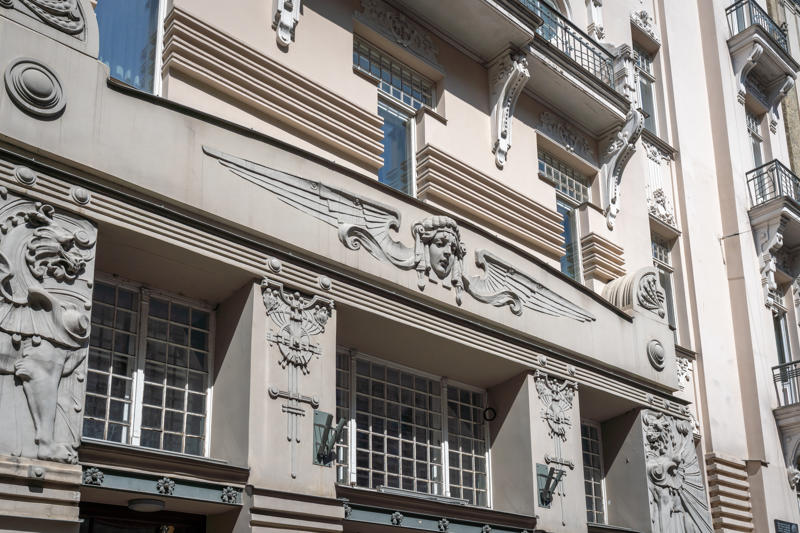
Art Nouveau architecture Buildings in Riga – Riga, Latvia

Alphonse Mucha, Daydream (Rêverie), 1897, color lithograph, 28 5/8 × 21 3/4 in., Mucha Trust Collection, © 2021 Mucha Trust
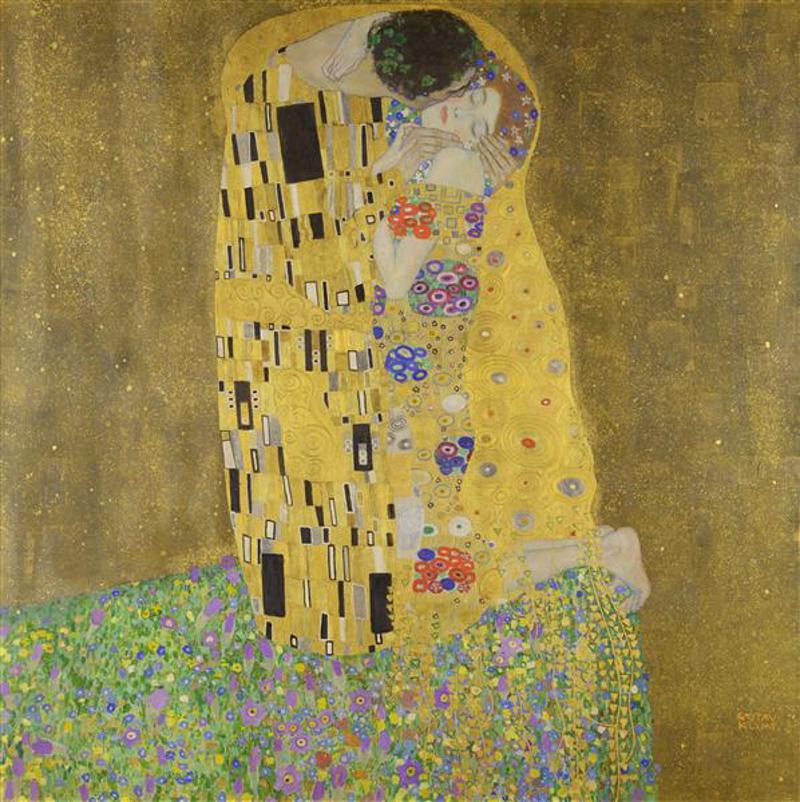
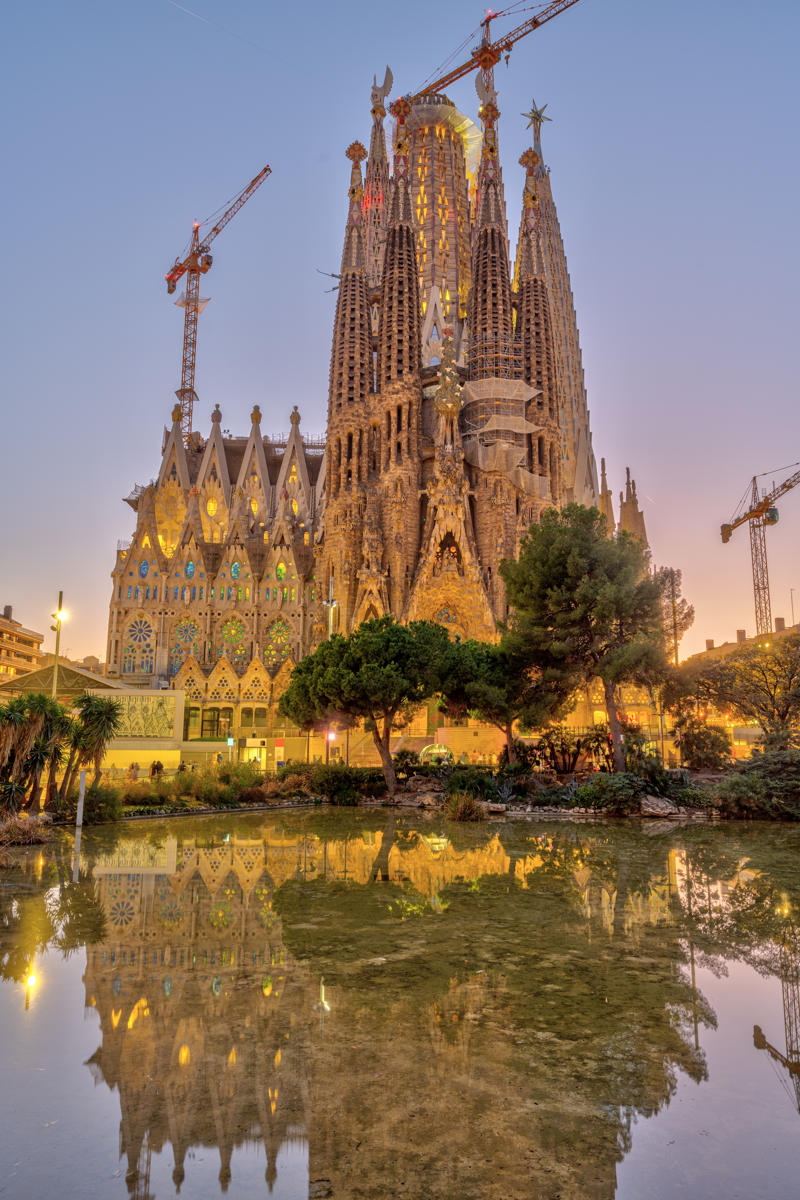
Overall, each of the artists—whether it be Alphonse Mucha, Gustav Klimt, or Antoni Gaudí—possesses a unique combination of decorative beauty and an organic quality. Nevertheless, their artwork provides an overview of the iconic decorative style, which is characterized by intricate ornaments that are harmonious and elegant. The organic shape, on the other hand, reflects the nature-inspired contours and structures, giving the impression that it is alive and expanding naturally.
Art Nouveau, which means “new art” in French, is a style of art and design that emerged in Europe from the late 19th century to the early 20th century. This style was born as a form of protest against classical and traditional styles, featuring intricate ornaments, flowing natural forms, and inspiration from the beauty of nature.
Art Nouveau draws inspiration from the world of plants and nature, which is very similar to the art and literature style of Romanticism that emerged in the 18th century. Romanticism emphasizes individualism, spontaneity, and freedom from rules, as well as encouraging imagination. However, the difference is that Romanticism criticized the Industrial Revolution, while Art Nouveau embraced it and developed because of it.
Art Nouveau design is widely used in various fields, such as architecture, art, graphic design, and jewelry. However, the function of Art Nouveau design at the time of its emergence was different from its use today. In the past, this style was more often applied to interior design and architecture, with the main goal of presenting artistic beauty without neglecting its practical function.
Art Nouveau design is widely used in posters, advertisements, decorative typography, product packaging, and logos to create a classy and exclusive impression. Although it has been more than a century, this style remains popular because it combines modern flexibility with a touch of nostalgia and classic elegance inspired by natural forms such as flowers, leaves, and curved lines, making the design appear luxurious yet refined, creating an elegant and artistic atmosphere.
Art Nouveau in graphic design is distinguished by its use of natural components, curving lines, and complex ornamental details. Art Nouveau design features listed here include:
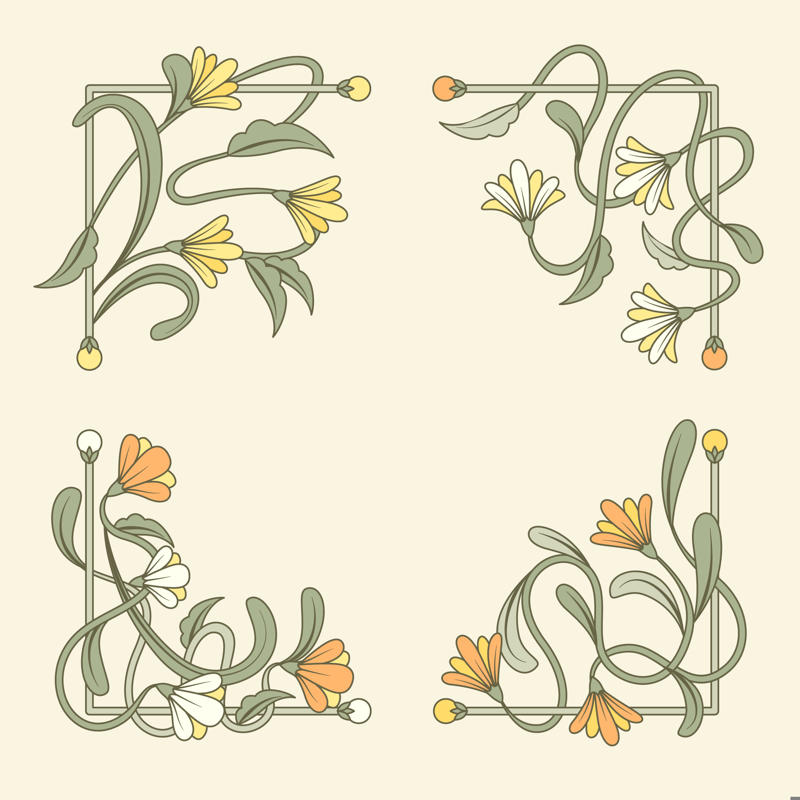
Art Nouveau motifs take inspiration from nature, like plants, flowers, and other organic shapes. These curvy lines smoothly flow like a twig or flower petals, exuding an elegant and artistic visual.
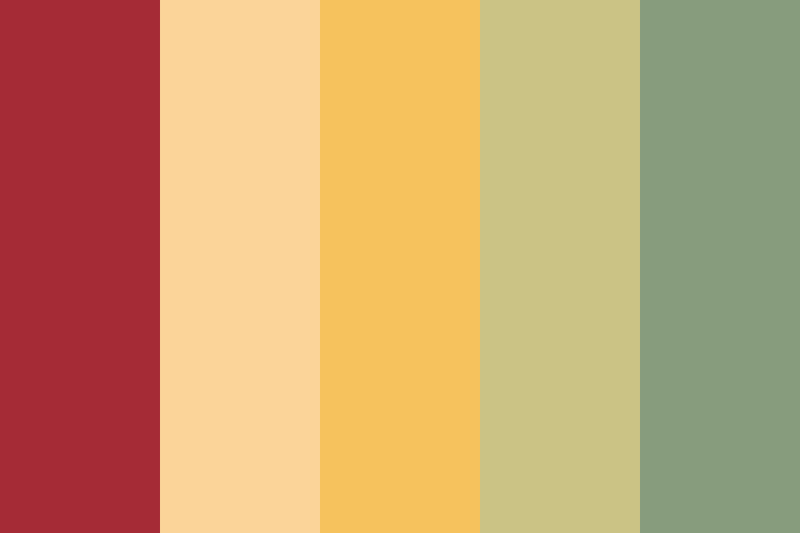
Art Nouveau design commonly uses soft and natural colors like green, brown, and gold. This color combination creates an elegant and luxurious vibe, making your design feel warm and harmonious.
Typography in Art Nouveau Design showcases curved letterforms with gentle, flowing lines, frequently decorated with floral ornaments or decorative patterns, resulting in a timeless and elegant aesthetic. This style offers an attractive and distinctive aesthetic, increasing the overall character of the design.
Feminine illustration elements include soft lines, curved shapes, and elegant floral motifs like lace, flower patterns, and fine textures. Pastel colors like pink, purple, and peach make a gentle and graceful impression.
The Art Nouveau design style blends the beauty of nature with artistic touches to make a unique style that people like. The design’s main feature is its wavy, curvy lines that look like flower stems or tendrils. They give the design a lively and natural look. On top of that, Art Nouveau often uses themes like leaves and wind breezes to make the design look dramatic.
Art Nouveau and other vintage design trends exude a classic vibe. Nonetheless, they have distinct characteristics. The following are some main differences between Art Nouveau and other vintage designs.
Art Nouveau: Emphasizes flowing lines, gentle curves, and organic shapes inspired by nature such as flowers and plants.
Other vintage design styles, such as Victorian design style, are usually more structured and symmetrical. This design features intricate geometric ornaments and repetitive patterns, reflecting luxury and elegance. The arrangement of decorative details are neat, creating a grand and classic impression.
Art Nouveau: The motifs tend to be natural and full of detail, such as plant tendrils, flowers, and animals.
Other vintage design styles: The motifs are more varied, ranging from classic floral patterns, art deco motifs, to retro elements with simple lines.
Art Nouveau: Dominated by natural and soft colors such as emerald green, earth brown, and antique gold.
Other vintage design styles: The colors vary depending on the era. For instance, pastel colors are for retro designs or dark and luxurious colors for Victorian designs.
Art Nouveau: Using fonts with decorative touches and curved shapes.
Other vintage design styles: It can be in the form of classic serif fonts or minimalist sans-serif fonts, depending on the time period chosen.
Modern graphic design continues to feel its influence, particularly in illustrations, typography, and visual compositions that are rich in detail and elegance. Art Nouveau design is easily applicable in branding to create an exclusive and classy impression, especially on beauty products, fashion, and premium goods with floral elements and decorative typography.
Art Nouveau Design is still relevant in packaging design, posters, and digital media because it can create a luxurious impression and attract attention. Although it originated from a long-ago era, this style continues to adapt to modern design trends. As an iconic design style full of artistic beauty, Art Nouveau continues to captivate attention to this day. Its most prominent characteristic is the flowing curved lines, inspired by natural forms such as plant tendrils and flowers. These decorative elements create a dynamic and graceful impression, keeping it captivating even as times change.
In conclusion, as an iconic design style full of artistic beauty, Art Nouveau continues to captivate attention to this day. The combination of natural elements, curved lines, and elegant decorative details creates a timeless visual harmony. That is why it remains relevant in various fields of modern design, from architecture to graphics.
If you want to add an elegant and characterful classic touch, the principles of Art Nouveau could inspire you. I hope this helps you understand this captivating style and encourages you to explore it more in your creative projects.

